
3. July 2026
A Quiet Reflection on Draw On Your Emotions by Margot Sunderland
There are some books that teach us something new, and there are others that quietly change the way we see something we thought we already understood.
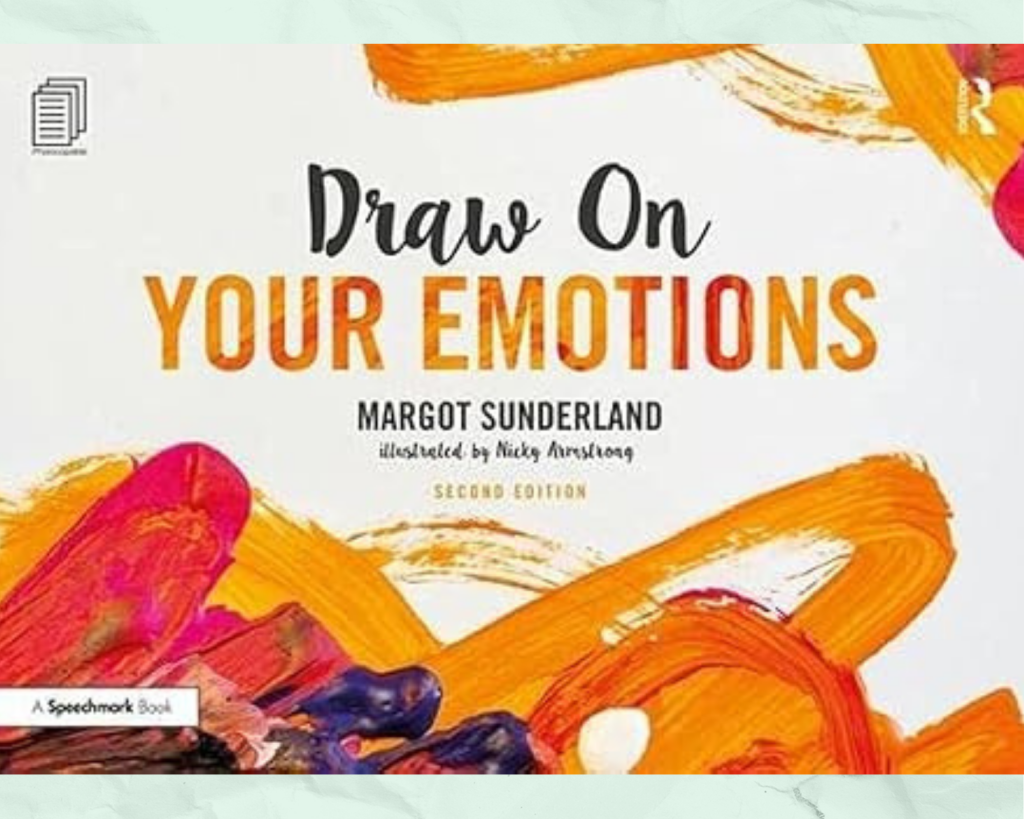
I first read Draw On Your Emotions during my training in Emotional Therapeutic Counselling (ETC). Looking back now as a qualified counsellor, I find that many of the reflections I wrote at the time still resonate with me. Rather than offering a traditional book review, I wanted to share some of the ideas that stayed with me and how they continue to influence my thinking today.
About the Author
Margot Sunderland is Director of the Institute for Arts in Therapy and Education, a senior lecturer and psychotherapist who has worked extensively with children and young people.
From the very beginning, Sunderland introduces the book in a deeply reflective way. Her reasons for writing it encouraged me to think differently about how we access and express our emotions.
"The book is based on a belief that a healthier society is one where the expression, communication and effective handling of emotional experience, within a safe and supportive arena, is not merely the property of a few psychologically minded people, or those lucky enough to be able to afford psychotherapy, or restricted to the confines of the art gallery or theatre." (p. 1)
Reading this, I was left with the impression that Sunderland is challenging the idea that emotional understanding should only be available through specialist settings. Instead, she advocates for making emotional education more accessible to everyone.
Emotional Literacy and the Human Experience
Sunderland goes on to describe "the price of a poorly managed emotional life" as a form of common human misery that can affect not only our thoughts, feelings and behaviour but may also be experienced physically through chronic health conditions.
I particularly appreciated her view that behaviour can be a form of communication. When emotions are suppressed, denied or projected elsewhere, they often find another way to be expressed. To me, this reflects the therapeutic concept of incongruence.
"It is evident also in those areas of life where people seem to be communicating their hurt, hate or anger, but in ways that are destructive to self and others." (p. 2)
Her discussion of what she calls an "emotionally illiterate society" also resonated with me. She highlights how little formal education many people receive about understanding themselves and their emotional experiences.
"With no education about emotions in schools, people will tend to enter adult life emotionally illiterate, devoid of skills in how to cope with what they feel, and often chronically ignorant of creative ways in which to express and explore their emotions." (p. 3)
Although Sunderland refers specifically to schools and children, I found myself wondering whether this extends more broadly across society. When people are unable to make sense of their emotions, it can understandably affect learning, relationships and overall wellbeing.
Connections with Emotional Therapeutic Counselling
Reading this through the lens of ETC, I found many natural connections.
The discussion around emotional development reminded me of inner child work and the understanding that clients may be responding from adapted ways of being that developed through a lack of emotional support during childhood.
Sunderland is clear that the book is intended primarily as a resource for people who are trained to work directly with emotions, which feels appropriate within therapeutic practice.
Creative tools, used thoughtfully, can help facilitate a client's exploration of their own experiences. While the activities themselves may not always include reflective questions, they provide opportunities for deeper understanding when held within a safe therapeutic relationship.
Is It Safe?
One section I particularly appreciated was Sunderland's discussion around the question, "Is it safe?"
Although intended as guidance for non-professional readers, I felt this reflected her wider belief in making emotional understanding more accessible while still encouraging thoughtful and responsible use of the exercises.
It also connected strongly with my understanding of ETC. Having something external to focus on—a drawing, image or creative activity—can provide a sense of safety for people who find direct conversation about emotions overwhelming.
From my perspective, this may be especially valuable for some neurodivergent clients. For example, autistic individuals may not always have immediate access to their emotions in the moment. Working creatively can allow reflection to emerge later, while recognising that the therapeutic work taking place is no less meaningful.
Similarities with ETC Tools
As I explored the exercises within the book, I noticed several similarities with tools used within ETC.
The Life Graph encourages clients to map significant positive and difficult events throughout their lives.
The ETC Timeline offers a similar opportunity for reflection, although I experience it as a more open-ended process without prescribing how the final image should look.
Your Story invites clients to revisit significant stories from their lives and consider how those stories may continue to influence adulthood.
Although different in presentation, I found interesting parallels with the ETC Family Rule Book, where clients explore the messages they received growing up and whether those messages still fit who they are today.
The Maze is designed to help clients gain understanding of current confusion or difficulties.
Similarly, the ETC Jigsaw Model encourages clients to explore present-day situations while maintaining autonomy in discovering their own solutions.
Final Reflections
Alongside this book, I also own Draw On Your Relationships, which focuses more specifically on relational experiences. While each has its own emphasis, I found that many of the creative exercises naturally overlap, as our understanding of ourselves and our relationships is often closely connected.
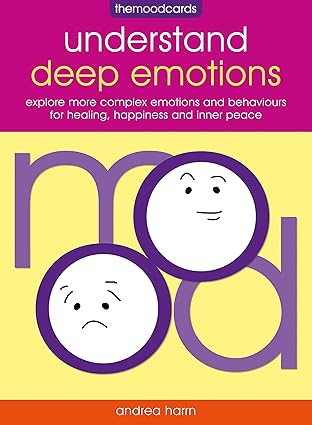
Overall, I feel this book could be used as a standalone resource within therapeutic work or as a complementary resource alongside ETC tools. From researching I can see that there are now emotion cards available to purchase. Though I used a different set in my practice (shown below), I find cards like this invaluable for supporting neuro-affirming practice and can offer a space for clients to express an emotion without needing to verbalise it directly.
As a trainee, I chose to remain within the ETC toolkit during placement so that I could fully experience the framework I was being taught. Because of this, I tended to use Sunderland's work more as a source of inspiration than introducing the activities directly.
One possible challenge is that not every client will feel comfortable engaging with creative methods. In those situations, I would be curious to explore how some of the underlying ideas might be thoughtfully adapted into a more verbal approach while maintaining the same spirit of reflection.
Looking Back
Reading these reflections again now that I have qualified as a counsellor, I notice that my appreciation for the book has remained. If anything, experience has strengthened my belief that creativity can offer a valuable route into emotional exploration for many people.
No single resource will suit every client or every therapeutic approach. However, Sunderland's central message—that emotional understanding should be accessible, compassionate and thoughtfully supported—continues to resonate with me.
If this reflection encourages even one person to pause, explore their emotions with curiosity, or discover a creative way of understanding themselves, then perhaps it echoes the hope that sits at the heart of Sunderland's work.
Book details
Draw On Your Emotions – Margot Sunderland
Speechmark Publishing Ltd, First Edition (1997)
This reflection shares my personal experience of reading the book and how it connected with my own therapeutic training and practice. Other practitioners may have different perspectives, and readers are encouraged to consider any resource within the context of their own learning, professional framework and the individual needs of those they support.