The Process (Step by Step)
This page has been created to offer a guide on what happens practically during the initial counselling process and what informs my approach with clients.
The sessions themselves are person-centred, not structured, and always led by you as the client.
If you are looking for more information on what types of sessions I provide, please click here.
Contact
You can make contact through email, text, whatsapp, phonecall or the contact page on the website.
I aim to respond to you within 48 hours.
If you have a preferred method of communication, please let me know when you contact me.
Free Consultation
Here we talk about what has brought you to therapy and what you might like to get from our sessions.
Sometimes people arrive and might not have an answer- this is perfectly valid.
At times, it might be that you feel 'off', 'disconnected' or 'low'.
This consultation will last approximately 30 minutes.
This is a space for us to get to know each other and for you to ask any questions you may have.
This can be online or face to face if you are in the area.
If I feel you may be better suited to a different type of therapy than what I offer, I will always be honest with you and give you some information about where to find something more appropriate.

You Decide
Part of getting the best out of counselling is feeling comfortable with your Counsellor.
This is the time you can decide if you want to go ahead with our sessions and how long you may want them to continue.
There is no pressure to decide during our first consultation together.
If you decide you would like us to work together, you can contact me again and we can arrange your first session.

Forms
Before our first session I will email you some information to complete and sign.
You will receive 3 documents.
These are online forms that can be completed on your phone/laptop/tablet without needing to download anything.
The Client Information Form helps me understand about you and your personal circumstances.
The Client Agreement tells you about the important parts of our work together and allows you to give consent for us to continue.
This is usually signed before we start our sessions together.
A Privacy Policy tells you how I store your information and how long for.
This is for you to keep.
Booking
We will book in our first session at a time that suits you.
This is usually the same time and day each week unless we have agreed something different.
I aim to be flexible for clients who give notice of annual leave, appointments or other commitments.

Checking in/ Ending Sessions
Every 4-5 sessions, I will 'check -in ' to see how you are feeling about our work together. This takes place in session and you may hear me ask :
"How do you feel our sessions are going?"
"Do you feel you have been able to reflect on the work we have done so far?"
"Is there anything you may like to change?"
This is an opportunity to reflect on your own journey and identify anything you may still like to work on.
Sessions can end at your request at anytime.
It can be helpful to plan when you may like to bring your sessions to an end and have a final session.
This can give you an opportunity to look back at your counselling journey and bring the ending to a natural close.
What I may bring to your sessions
A quick guide to the areas of understanding that may inform our work together.
My counselling approach supports self-understanding, healing/working through trauma and finding ways forward that feel right for you.
Your pace, your story.
Person-Centred therapy

You remain at the centre of our work. There is no set programme to follow, and we work at a pace that feels right for you.
I offer tools and resources to all of my clients to support the work we do together.
Although there is never an obligation to use them, they can offer another way of expressing and communicating how we may feel or how we experienced something.
Emotions and emotional awareness
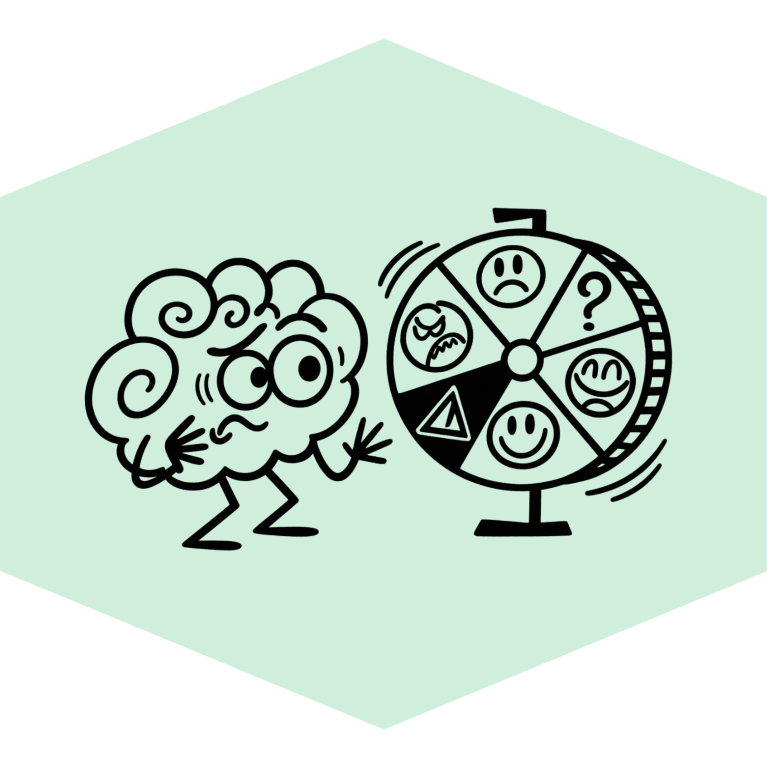
We can explore emotions, how they feel and how you experience, understand or express them.
Sometimes finding the words for what is happening inside can be difficult, and we can take time to explore this together.
Attachment and relationships

Where relevant, we may explore how your experiences and relationships can influence the ways we relate to ourselves and others.
This may also include experiences connected to identity, belonging, our close relationships or LGBTQIA+ experiences.
Life experiences and ACEs
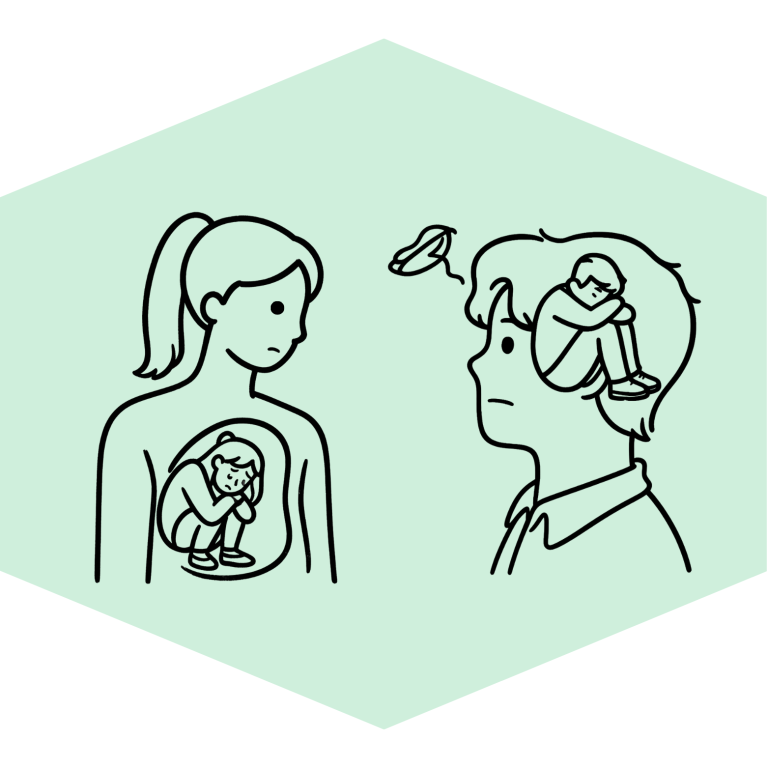
Our life experiences can shape the ways we understand ourselves, cope and respond. We explore these connections where it feels useful for you.
Where relevant, it can be helpful to explore 'ACEs' or Adverse Childhood Experiences.
They are a specific group of experiences that can occur during childhood and may be one part of a person's wider story.
Triggers and our responses

We can explore what happens when something feels difficult or triggering, and develop a greater understanding of those responses.
The brain and how we respond
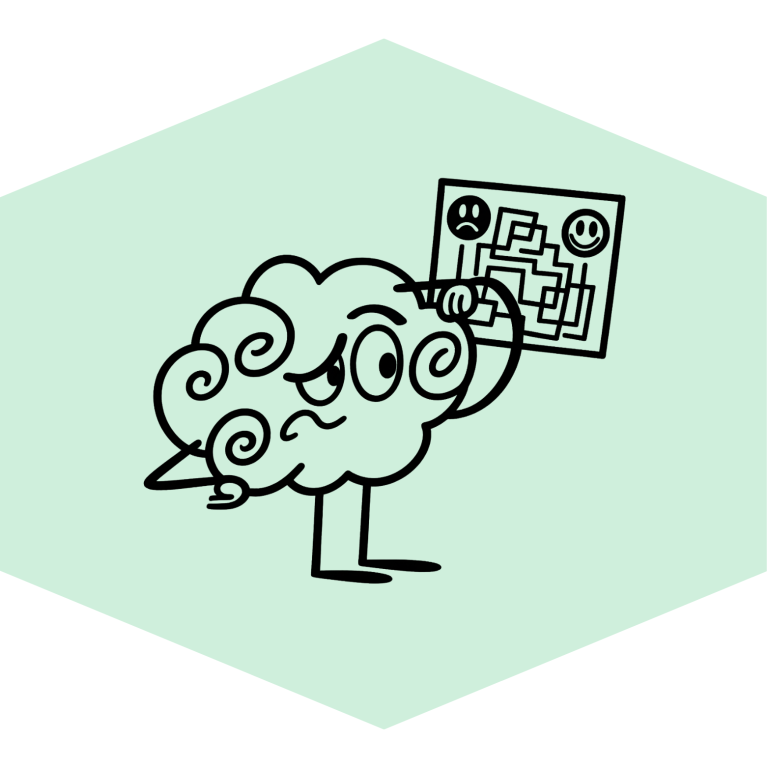
Sometimes understanding why we respond in certain ways can help us develop greater awareness and space to respond differently.
It can be helpful to explore how the brain responds to experiences, particularly when we feel overwhelmed, stressed or under threat.
Learning and processing styles

We all experience, process and make sense of the world differently.
This can include neurodivergent ways of thinking and processing, as well as individual differences in how we learn, communicate and experience emotions.
Exploring your own ways of processing can sometimes help make sense of how you experience the world.
I will meet you as an individual and support how you learn, process and make sense of the world.
Patterns and possibilities
Understanding patterns in our thoughts, feelings, relationships and responses can sometimes help us see where we have more autonomy.
Self- Compassion
Sometimes our experiences can mean that our needs haven't been fully met, understood or acknowledged.
We can explore these needs and consider how you might like to develop a kinder, more compassionate relationship with yourself.
This can include recognising your emotions, needs and limitations without judgement.